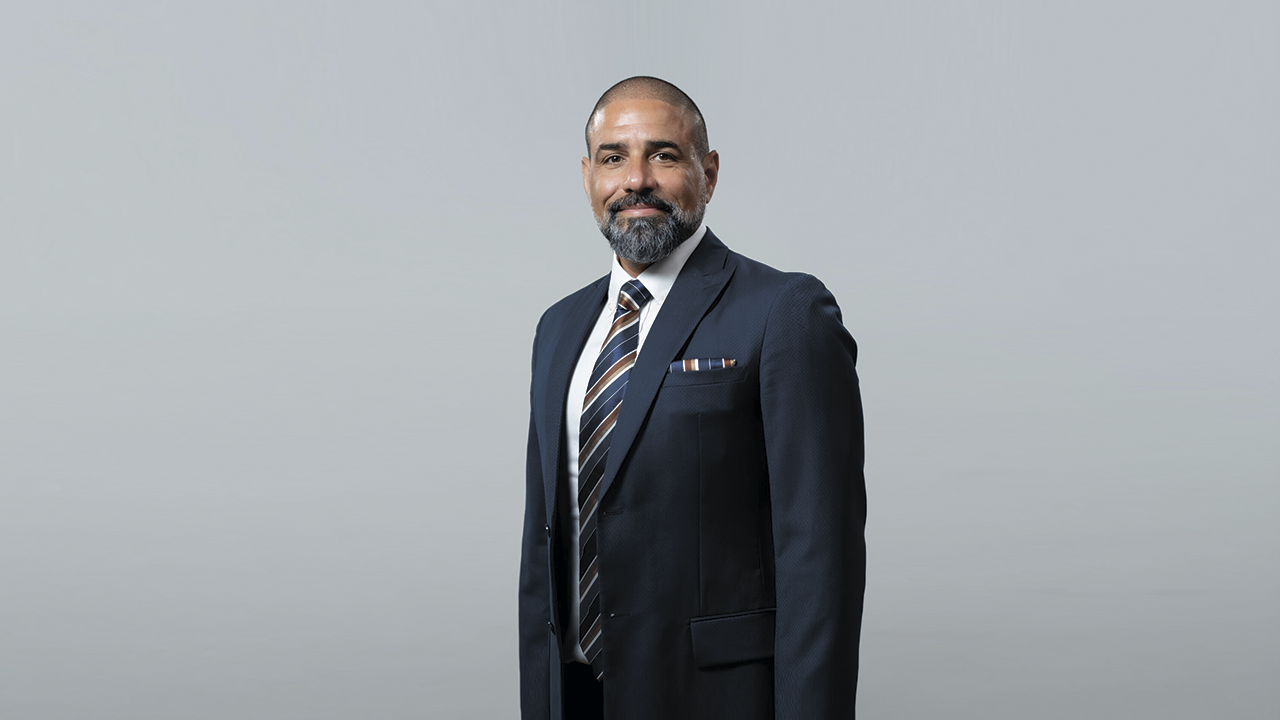
The Power of Investment: An interview with FIA President and General Manager Efes Vitanta Moldova Brewery, Alphan Akpece
For the Foreign Investors Association (FIA), the new Government’s pro-investment course means even closer, day-to-day cooperation to improve Moldova’s investment climate. The White Book, whose new edition will be presented in the upcoming period, is not just a publication: it is a continuous expert framework linking foreign investors with the authorities, from quick administrative decisions to longer structural reforms. It is important to note that more than 80% of FIA’s proposals reflected in the previous edition were considered and implemented by the former Government, demonstrating an excellent level of overall progress. Significant achievements were recorded in areas such as Digital Transformation, Green Economy Transition, and the Labor Market, as well as in Medicine and Pharmaceuticals, where implementation reached 100%. For this reason, that chapter was not included in the 2025 edition of the White Book.
All these achievements took place against the backdrop of a broad process of harmonizing the national regulatory framework with EU standards and practices – a process that is increasingly becoming a non-negotiable standard across all economic sectors.
The interview with Alphan Akpeсe, President of the FIA and General Manager of Efes Vitanta Moldova Brewery, marks the beginning of the “Power of Investment” interview series, where we showcase how foreign capital, together with advanced standards, is reshaping the rules of the game across Moldova’s industries.
The Government has been confirmed and set a clear course for an “investment economy.” What does that change for business?
It clarifies priorities and shortens decision cycles. When procedures are predictable and digital by default, and when investment protection is felt in practice, companies are more confident to make capital decisions more often and faster. This is critical for long-horizon projects: modern manufacturing, closed-loop and recycling capacity, energy efficiency and local generation, logistics upgrades, and resilient skills pipelines.
Where does the FIA fit into this new cycle?
We fully support the Government’s strategic direction and act as a permanent platform of expertise connecting the FIA’s business community and public authorities. The White Book is not a “once-every-two-years” exercise but a continuous process, now in its 9th edition, that identifies key obstacles to investment and business development and proposes practical policy solutions. In the new edition, we strengthen the framework for sustainable growth with a dedicated chapter, “Sustainable Economy”: energy efficiency and green energy, responsible water management, packaging accountability and circular recycling systems, transparent reporting, and high-quality corporate governance. This is not a niche — it is the new standard of a competitive economy.
From the perspective of an industrial company: what are the two biggest challenges you see in the medium term?
They come from two directions. First, climate – above all water scarcity and rising raw-material costs; agriculture is inherently sensitive to climatic shifts. Second, human capital: today we have a strong, trained team, but looking ahead we see a potential shortfall in young entrants unless we act systematically.
How are you addressing those challenges inside the company?
Our actions follow two strategic tracks. On sustainability, we invest in green energy, optimize energy use, and reduce our water footprint. We operate under a five-year master plan to materially lower our overall carbon footprint; in 2023–2024 alone we implemented 27 environmental projects and are scaling further. On people, we take a long approach: upskilling current teams, building structured long-term internships, and dual-education programs with universities to attract and grow young talents. The goal is a future-ready qualified workforce and operations that are both sustainable and efficient.
How does this align with European ESG/SDG approaches?
Fully. As part of Anadolu Efes, we are aligned with ESG reporting and guided by the Sustainable Development Goals (SDGs). “Carbon, water, energy” are not mere metrics – they are fields of action. On the social side we are committed to gender equality and the economic empowerment of women, both inside the company and in the community. Efes Moldova is recognized among Top Employers locally – reflecting decent working conditions, high social protection, wellbeing, and safety. In practice, sustainability, digitalization, and education reinforce one another; that is how investment creates value for people and for the planet.
You often say “The Power of Investment.” What does that mean for the country – beyond a slogan?
It means standards plus execution discipline. Foreign investment brings not only capital; it brings technology, processes, a safety culture, training programs, and transparent reporting. You see this every day: in manufacturing and distribution, telecom infrastructure, financial services, export operations, and IT. When public policy is predictable and digital, these practices scale and the economy grows because of investment, not because of consumption.
The new edition of the White Book will be presented soon. Which policy priorities should be scaled now for near-term impact?
Five lines with high multipliers:
- Digital-by-default across B2G: e-permits, e-invoicing, interoperable registries – fewer manual frictions and fewer grey zones.
- Fair competition & investment protection as daily practice – faster, transparent, and predictable procedures.
- Skills & productivity: support for dual education, mentoring, and up-/reskilling so projects find people and people find quality jobs.
- Sustainable Economy at scale – incentives for green CAPEX, water stewardship, local generation; responsibility for packaging and functioning recycling loops.
- Financial depth: risk-sharing tools for SMEs and open/instant payments, so investment projects reach financing faster.
How does European integration connect to this agenda?
European integration is not just a label, it implies alignment with high European standards across multiple areas. It is about making EU-grade rules routine – competition and a level playing field, rule-of-law for investors, digital public services, environmental responsibility. When standards are clear and applied consistently, the cost of capital falls and the pipeline of viable projects grows.
You lead an industrial site. Which lessons learned “from the factory floor” do you believe could be most effectively scaled up to the economy as a whole?
Two lessons. First, predictability in taxation, permitting, and regulatory oversight directly influences investment decisions. Second, people are an investment: structured internships, mentors, and early-career programs lead to productivity gains when supported by the state. That is a three-way win for business, for young professionals, and for regional development.
If you had to define success for the Government’s investment course in measurable terms, what would you track?
These are four indicators that are clear to everyone: the speed of administrative decisions (connections, permits, approvals); the volume of reinvestments made by existing investors; the share of “green” and technology-driven capital expenditures in total investment; and the trajectory of qualified employment, including youth and women. If these indicators are increasing, it means the rules are working and the “Power of Investment” leads to sustainable growth.
Source: